15-20 Dodge Charger / Challenger SRT Hellcat Upgraded 2 Piece Rotors 15.4" - (Pair - Front) FOR SIX PISTON CALIPERS
Replacement Rotors: PRK.188.390.340.22860.05.01.F
Paragon Front Floating Rotors – 390 mm × 34 mm (2015–20 Hellcat/Redeye Charger & Challenger)
Upgrade to 2‑piece floating slotted rotors, precision-engineered for Hellcat and Scat Pack models with OEM 15.4″ 6‑piston Brembo brakes.
-
High-carbon CM‑250 rings: heat-relieved for thermal stability; CBN-machined for fast pad bed-in
-
Slotted, directional vanes reduce fade, clear debris, and perform better in wet conditions
-
Floating 2‑piece design (6061‑T6 billet aluminum hat + stainless bobbins): minimizes distortion, vibration; allows thermal expansion and self-centering
-
Balanced ≤ 2 g, run-out ≤ 0.03 mm: smoother braking and consistent pad wear
-
~28.2 lb per rotor: ~3 lb lighter than OEM to reduce unsprung mass and improve response
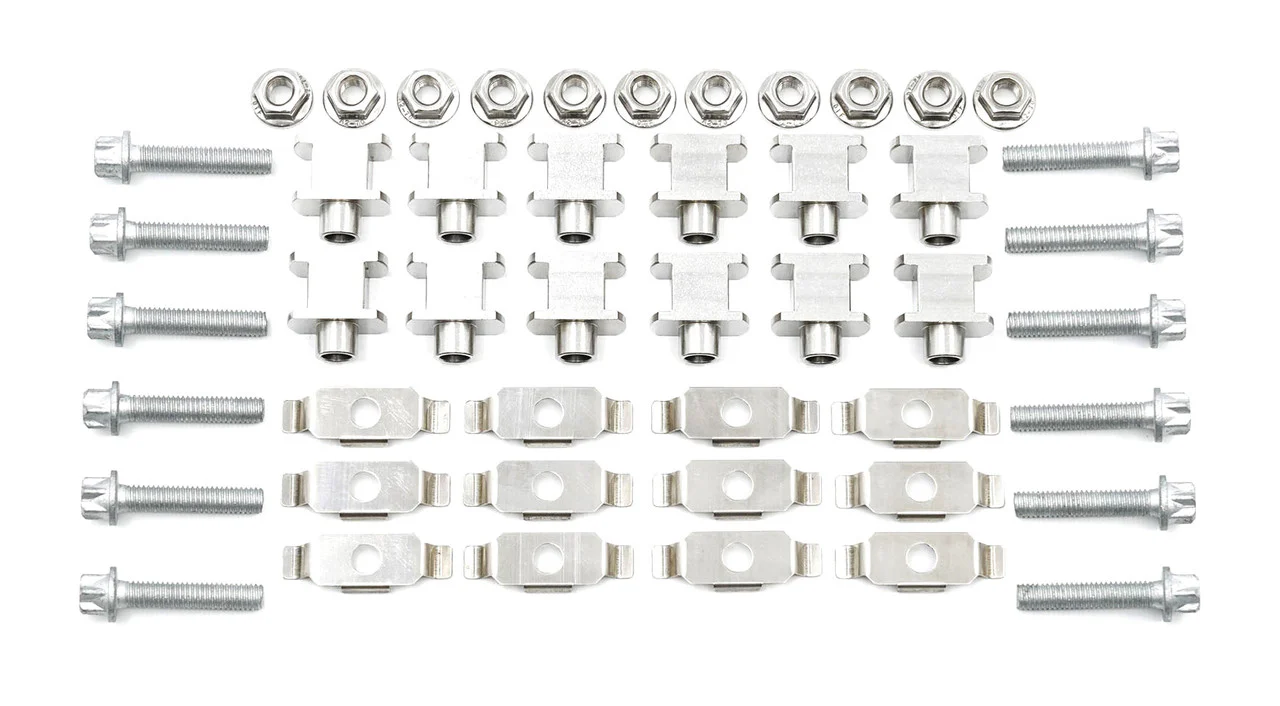
OEM bolt-on replacement (Dodge P/N 68184587AE). Ships assembled with hardware, anti-rattle clips, and full installation guide
Why It’s Better Than Stock
- Ideal for high-load applications or track use:
- Significantly better cooling and thermal long-term stability
- Less brake fade and more consistent pedal feel
- Weight reduction for improved handling and suspension feel
- Slotting improves wet braking and pad cleaning
- OEM integration ensures compatibility with ABS, DSC, and traction control systems
FAQs
Q: Will these fit Challenger/Hellcat with wide-body or Daytona package?
A: Yes. They fit the wide‑body 392/Hellcat/Redeye and Daytona packages using standard 6‑piston Brembo calipers
Q: Do they work with carbon‑ceramic brakes?
A: No. Designed exclusively for OEM Brembo systems.
Q: Are upgraded pads required?
A: OEM pads work fine for street use, but motorsport or hard driving benefits from track-grade pads.
Specifications:
- Diameter: 390mm (15.35")
- Thickness (new): 34mm (1.34")
- Thickness (min.): 32mm (1.26")
- Type: 2-piece floating
- Face Pattern: Slotted
- Vented / Solid: Directional ventilated
- Number of Vanes: 48
- Hat Material: 6061-T6 aluminum
- Friction Ring Material: CM-250 high carbon alloy cast iron
- Rotor Finish: CBN turned
Best For: Modern Mopar Performance Cars
These rotors are a strong fit for Challenger and Charger applications where vehicle weight and straight-line speed put real load into the brakes. They suit owners who want stable braking feel for street use, canyon driving, and occasional track events without stepping down to a generic parts-store rotor.
FAQ
Do these fit the factory rotor hats?
These rotor rings fit Paragon hats, or the original equipment hats when the vehicle came with a factory 2-piece rotor design. If your application uses a 1-piece factory rotor, these are not intended to bolt to an OE hat because there is no separate hat to reuse.
Are these complete rotors or replacement rings?
These are replacement rotor rings only. They are designed to service the braking surface while reusing the existing hat when the hat is compatible.
Do slotted rotors improve braking?
Slots primarily improve pad cleaning and help maintain consistent braking feel under heat. They do not create a dramatic change in stopping distance by themselves, but they can help the system stay more consistent during repeated hard stops.
When should rotor rings be replaced?
A practical wear indicator is slot depth. When the slots become shallow and much less visible, the rotor is typically nearing the end of its effective service life. Rotor thickness, heat checking, cracking, and brake vibration should also be inspected during service.
Should I replace pads at the same time?
Yes, in most cases. Fresh pads help the new rotor surface bed in correctly and reduce the chance of uneven deposits, noise, or inconsistent pedal feel.
Brake Rotor Technology
Why high-carbon rotors matter
High-carbon cast iron offers better thermal stability than generic low-cost rotor materials. That helps the rotor maintain more consistent behavior as temperature rises, which is important on heavier vehicles and on cars driven aggressively.
Directional vane cooling
Directional internal vanes are designed to move air through the rotor more effectively, improving heat evacuation and helping the rotor recover more quickly between braking events.
Slotted rotor surface
Slots help keep the pad face clean by clearing away gases, dust, and debris. The result is more consistent pad contact and more repeatable braking feel, especially when the system is worked hard.
When to Replace Rotor Rings
Rotor rings should be replaced when the friction surface shows meaningful wear, heat fatigue, or thickness loss. One of the easiest visual indicators is the depth of the rotor slots. As the rotor wears, the slots become shallower. When they are much less visible, the rotor is generally nearing the end of its useful service life.
Other common signs include visible heat checking or cracking, brake pulsation, heavy scoring, and rotor thickness approaching the service limit.
Why Replace Rotor Rings Instead of the Whole Rotor?
On vehicles that use 2-piece rotors, the friction ring can be replaced independently from the hat. That allows the wear component to be serviced without replacing the full assembly, which can reduce replacement cost while preserving the benefits of the 2-piece design.
Common Mistakes When Replacing Rotors
- Reusing worn pads on a fresh rotor surface
- Skipping the pad and rotor bedding process
- Not cleaning or inspecting the hat, hardware, and mounting faces
- Ignoring brake fluid condition during brake service
- Ordering the wrong configuration for the vehicle or hat type
Taking care of these details helps the new rotor deliver the braking feel, wear life, and consistency it was designed to provide.
Recommended Companion Parts
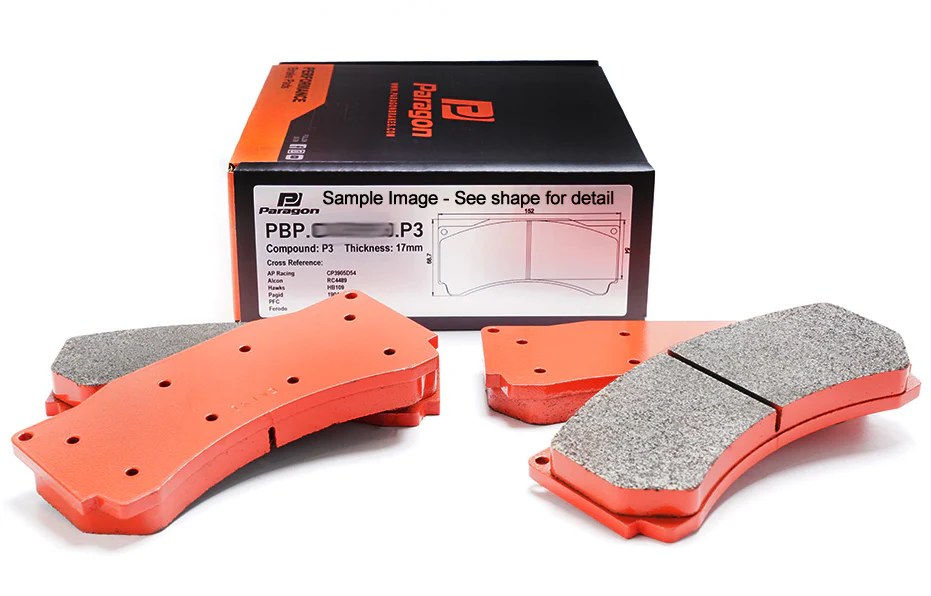
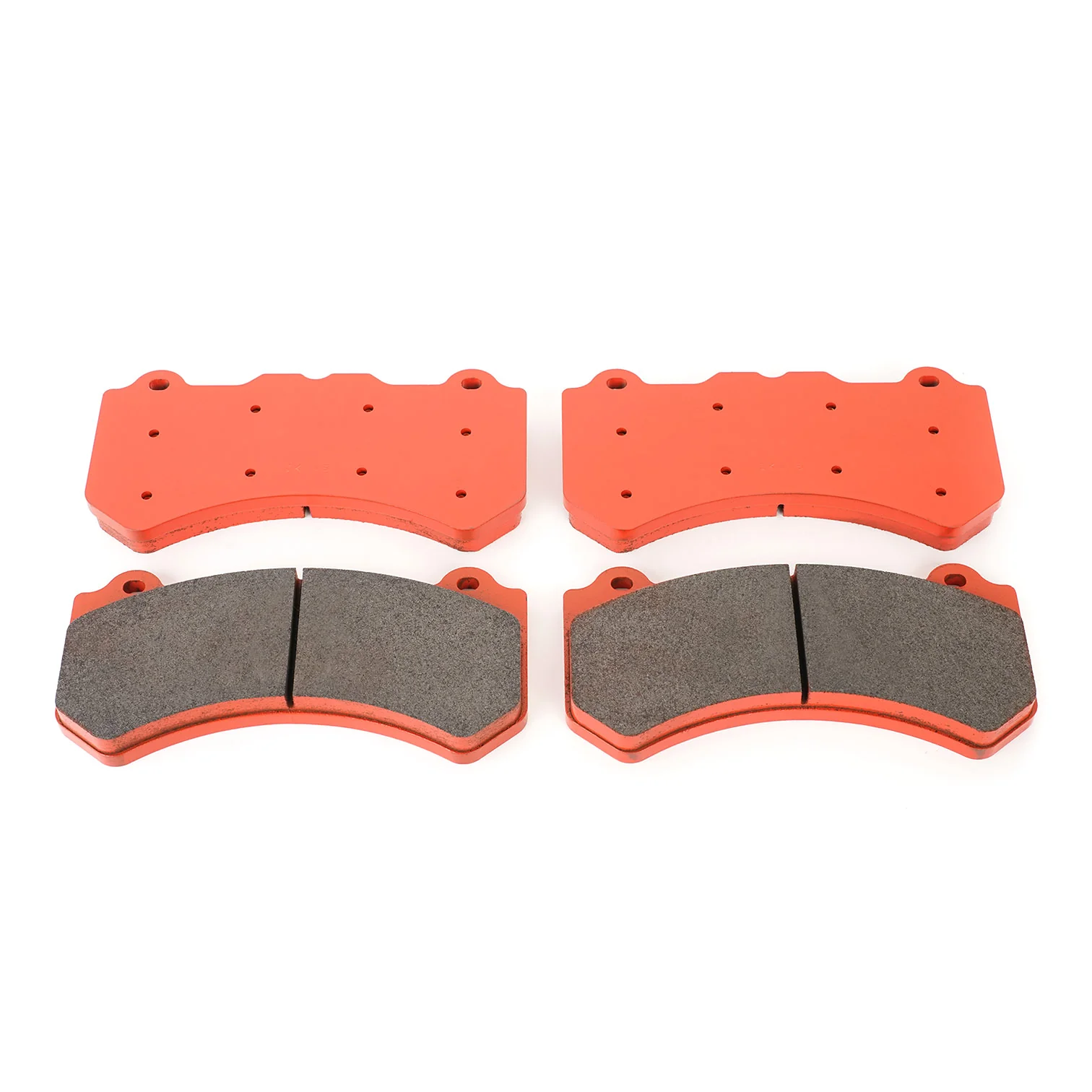
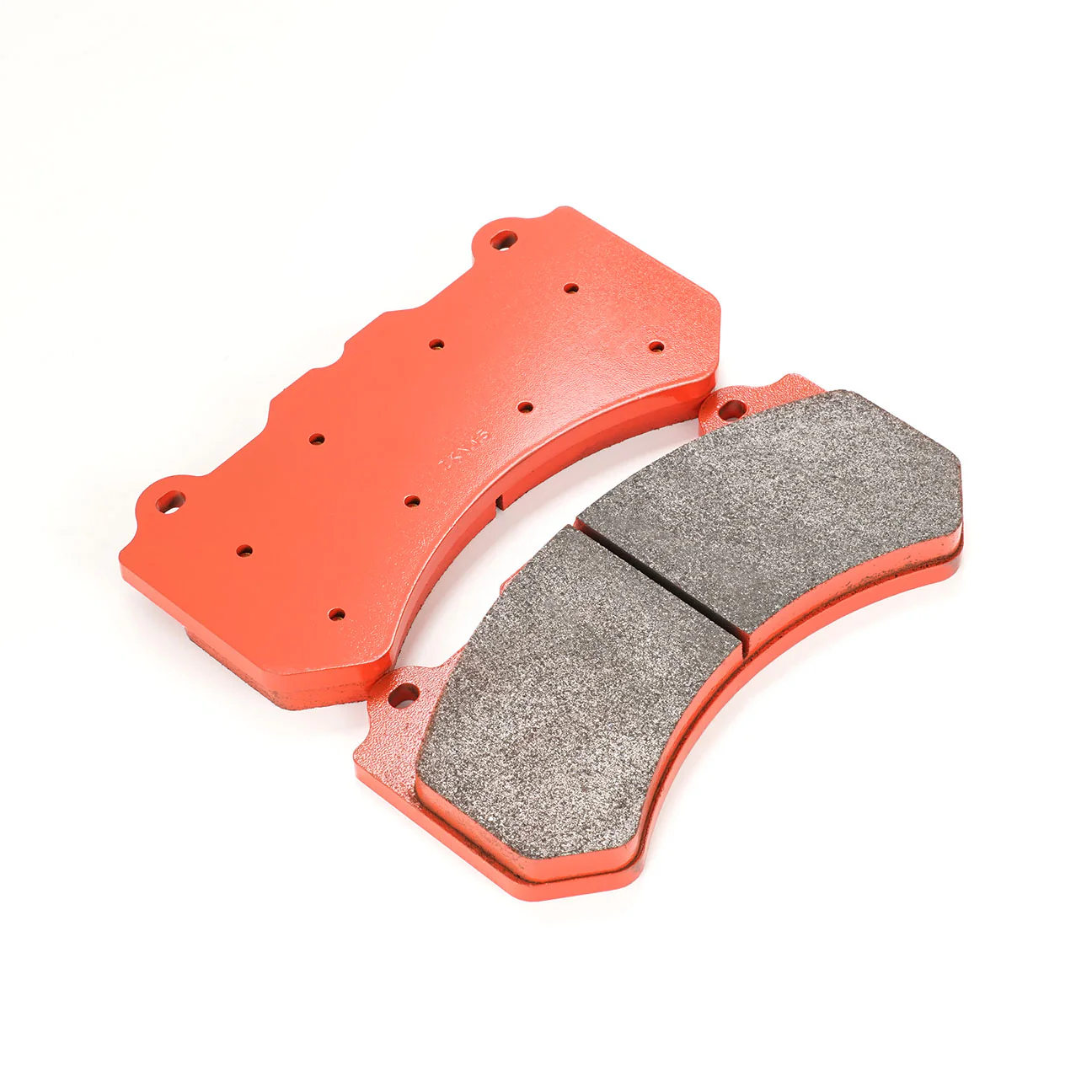
Rotor service is also a good time to inspect or replace the brake pads, rotor hardware where applicable, and brake fluid. On performance applications, fresh pads and fluid often have as much impact on brake feel as the rotor itself.
Need help confirming fitment or choosing the right supporting parts?
Our team specializes in performance brake systems and can help you choose the right combination for your vehicle and how you use it.
Product Information
Product Information
Shipping & Returns
Shipping & Returns


15-20 Dodge Charger / Challenger SRT Hellcat Upgraded 2 Piece Rotors 15.4" - (Pair - Front) FOR SIX PISTON CALIPERS
15-20 Dodge Charger / Challenger SRT Hellcat Upgraded 2 Piece Rotors 15.4" - (Pair - Front) FOR SIX PISTON CALIPERS
Replacement Rotors: PRK.188.390.340.22860.05.01.F
Paragon Front Floating Rotors – 390 mm × 34 mm (2015–20 Hellcat/Redeye Charger & Challenger)
Upgrade to 2‑piece floating slotted rotors, precision-engineered for Hellcat and Scat Pack models with OEM 15.4″ 6‑piston Brembo brakes.
-
High-carbon CM‑250 rings: heat-relieved for thermal stability; CBN-machined for fast pad bed-in
-
Slotted, directional vanes reduce fade, clear debris, and perform better in wet conditions
-
Floating 2‑piece design (6061‑T6 billet aluminum hat + stainless bobbins): minimizes distortion, vibration; allows thermal expansion and self-centering
-
Balanced ≤ 2 g, run-out ≤ 0.03 mm: smoother braking and consistent pad wear
-
~28.2 lb per rotor: ~3 lb lighter than OEM to reduce unsprung mass and improve response
OEM bolt-on replacement (Dodge P/N 68184587AE). Ships assembled with hardware, anti-rattle clips, and full installation guide
Why It’s Better Than Stock
- Ideal for high-load applications or track use:
- Significantly better cooling and thermal long-term stability
- Less brake fade and more consistent pedal feel
- Weight reduction for improved handling and suspension feel
- Slotting improves wet braking and pad cleaning
- OEM integration ensures compatibility with ABS, DSC, and traction control systems
FAQs
Q: Will these fit Challenger/Hellcat with wide-body or Daytona package?
A: Yes. They fit the wide‑body 392/Hellcat/Redeye and Daytona packages using standard 6‑piston Brembo calipers
Q: Do they work with carbon‑ceramic brakes?
A: No. Designed exclusively for OEM Brembo systems.
Q: Are upgraded pads required?
A: OEM pads work fine for street use, but motorsport or hard driving benefits from track-grade pads.
Specifications:
- Diameter: 390mm (15.35")
- Thickness (new): 34mm (1.34")
- Thickness (min.): 32mm (1.26")
- Type: 2-piece floating
- Face Pattern: Slotted
- Vented / Solid: Directional ventilated
- Number of Vanes: 48
- Hat Material: 6061-T6 aluminum
- Friction Ring Material: CM-250 high carbon alloy cast iron
- Rotor Finish: CBN turned
Best For: Modern Mopar Performance Cars
These rotors are a strong fit for Challenger and Charger applications where vehicle weight and straight-line speed put real load into the brakes. They suit owners who want stable braking feel for street use, canyon driving, and occasional track events without stepping down to a generic parts-store rotor.
FAQ
Do these fit the factory rotor hats?
These rotor rings fit Paragon hats, or the original equipment hats when the vehicle came with a factory 2-piece rotor design. If your application uses a 1-piece factory rotor, these are not intended to bolt to an OE hat because there is no separate hat to reuse.
Are these complete rotors or replacement rings?
These are replacement rotor rings only. They are designed to service the braking surface while reusing the existing hat when the hat is compatible.
Do slotted rotors improve braking?
Slots primarily improve pad cleaning and help maintain consistent braking feel under heat. They do not create a dramatic change in stopping distance by themselves, but they can help the system stay more consistent during repeated hard stops.
When should rotor rings be replaced?
A practical wear indicator is slot depth. When the slots become shallow and much less visible, the rotor is typically nearing the end of its effective service life. Rotor thickness, heat checking, cracking, and brake vibration should also be inspected during service.
Should I replace pads at the same time?
Yes, in most cases. Fresh pads help the new rotor surface bed in correctly and reduce the chance of uneven deposits, noise, or inconsistent pedal feel.
Brake Rotor Technology
Why high-carbon rotors matter
High-carbon cast iron offers better thermal stability than generic low-cost rotor materials. That helps the rotor maintain more consistent behavior as temperature rises, which is important on heavier vehicles and on cars driven aggressively.
Directional vane cooling
Directional internal vanes are designed to move air through the rotor more effectively, improving heat evacuation and helping the rotor recover more quickly between braking events.
Slotted rotor surface
Slots help keep the pad face clean by clearing away gases, dust, and debris. The result is more consistent pad contact and more repeatable braking feel, especially when the system is worked hard.
When to Replace Rotor Rings
Rotor rings should be replaced when the friction surface shows meaningful wear, heat fatigue, or thickness loss. One of the easiest visual indicators is the depth of the rotor slots. As the rotor wears, the slots become shallower. When they are much less visible, the rotor is generally nearing the end of its useful service life.
Other common signs include visible heat checking or cracking, brake pulsation, heavy scoring, and rotor thickness approaching the service limit.
Why Replace Rotor Rings Instead of the Whole Rotor?
On vehicles that use 2-piece rotors, the friction ring can be replaced independently from the hat. That allows the wear component to be serviced without replacing the full assembly, which can reduce replacement cost while preserving the benefits of the 2-piece design.
Common Mistakes When Replacing Rotors
- Reusing worn pads on a fresh rotor surface
- Skipping the pad and rotor bedding process
- Not cleaning or inspecting the hat, hardware, and mounting faces
- Ignoring brake fluid condition during brake service
- Ordering the wrong configuration for the vehicle or hat type
Taking care of these details helps the new rotor deliver the braking feel, wear life, and consistency it was designed to provide.
Recommended Companion Parts
Rotor service is also a good time to inspect or replace the brake pads, rotor hardware where applicable, and brake fluid. On performance applications, fresh pads and fluid often have as much impact on brake feel as the rotor itself.
Need help confirming fitment or choosing the right supporting parts?
Our team specializes in performance brake systems and can help you choose the right combination for your vehicle and how you use it.
Original: $1,050.00
-65%$1,050.00
$367.50Product Information
Product Information
Shipping & Returns
Shipping & Returns
Description
Replacement Rotors: PRK.188.390.340.22860.05.01.F
Paragon Front Floating Rotors – 390 mm × 34 mm (2015–20 Hellcat/Redeye Charger & Challenger)
Upgrade to 2‑piece floating slotted rotors, precision-engineered for Hellcat and Scat Pack models with OEM 15.4″ 6‑piston Brembo brakes.
-
High-carbon CM‑250 rings: heat-relieved for thermal stability; CBN-machined for fast pad bed-in
-
Slotted, directional vanes reduce fade, clear debris, and perform better in wet conditions
-
Floating 2‑piece design (6061‑T6 billet aluminum hat + stainless bobbins): minimizes distortion, vibration; allows thermal expansion and self-centering
-
Balanced ≤ 2 g, run-out ≤ 0.03 mm: smoother braking and consistent pad wear
-
~28.2 lb per rotor: ~3 lb lighter than OEM to reduce unsprung mass and improve response
OEM bolt-on replacement (Dodge P/N 68184587AE). Ships assembled with hardware, anti-rattle clips, and full installation guide
Why It’s Better Than Stock
- Ideal for high-load applications or track use:
- Significantly better cooling and thermal long-term stability
- Less brake fade and more consistent pedal feel
- Weight reduction for improved handling and suspension feel
- Slotting improves wet braking and pad cleaning
- OEM integration ensures compatibility with ABS, DSC, and traction control systems
FAQs
Q: Will these fit Challenger/Hellcat with wide-body or Daytona package?
A: Yes. They fit the wide‑body 392/Hellcat/Redeye and Daytona packages using standard 6‑piston Brembo calipers
Q: Do they work with carbon‑ceramic brakes?
A: No. Designed exclusively for OEM Brembo systems.
Q: Are upgraded pads required?
A: OEM pads work fine for street use, but motorsport or hard driving benefits from track-grade pads.
Specifications:
- Diameter: 390mm (15.35")
- Thickness (new): 34mm (1.34")
- Thickness (min.): 32mm (1.26")
- Type: 2-piece floating
- Face Pattern: Slotted
- Vented / Solid: Directional ventilated
- Number of Vanes: 48
- Hat Material: 6061-T6 aluminum
- Friction Ring Material: CM-250 high carbon alloy cast iron
- Rotor Finish: CBN turned
Best For: Modern Mopar Performance Cars
These rotors are a strong fit for Challenger and Charger applications where vehicle weight and straight-line speed put real load into the brakes. They suit owners who want stable braking feel for street use, canyon driving, and occasional track events without stepping down to a generic parts-store rotor.
FAQ
Do these fit the factory rotor hats?
These rotor rings fit Paragon hats, or the original equipment hats when the vehicle came with a factory 2-piece rotor design. If your application uses a 1-piece factory rotor, these are not intended to bolt to an OE hat because there is no separate hat to reuse.
Are these complete rotors or replacement rings?
These are replacement rotor rings only. They are designed to service the braking surface while reusing the existing hat when the hat is compatible.
Do slotted rotors improve braking?
Slots primarily improve pad cleaning and help maintain consistent braking feel under heat. They do not create a dramatic change in stopping distance by themselves, but they can help the system stay more consistent during repeated hard stops.
When should rotor rings be replaced?
A practical wear indicator is slot depth. When the slots become shallow and much less visible, the rotor is typically nearing the end of its effective service life. Rotor thickness, heat checking, cracking, and brake vibration should also be inspected during service.
Should I replace pads at the same time?
Yes, in most cases. Fresh pads help the new rotor surface bed in correctly and reduce the chance of uneven deposits, noise, or inconsistent pedal feel.
Brake Rotor Technology
Why high-carbon rotors matter
High-carbon cast iron offers better thermal stability than generic low-cost rotor materials. That helps the rotor maintain more consistent behavior as temperature rises, which is important on heavier vehicles and on cars driven aggressively.
Directional vane cooling
Directional internal vanes are designed to move air through the rotor more effectively, improving heat evacuation and helping the rotor recover more quickly between braking events.
Slotted rotor surface
Slots help keep the pad face clean by clearing away gases, dust, and debris. The result is more consistent pad contact and more repeatable braking feel, especially when the system is worked hard.
When to Replace Rotor Rings
Rotor rings should be replaced when the friction surface shows meaningful wear, heat fatigue, or thickness loss. One of the easiest visual indicators is the depth of the rotor slots. As the rotor wears, the slots become shallower. When they are much less visible, the rotor is generally nearing the end of its useful service life.
Other common signs include visible heat checking or cracking, brake pulsation, heavy scoring, and rotor thickness approaching the service limit.
Why Replace Rotor Rings Instead of the Whole Rotor?
On vehicles that use 2-piece rotors, the friction ring can be replaced independently from the hat. That allows the wear component to be serviced without replacing the full assembly, which can reduce replacement cost while preserving the benefits of the 2-piece design.
Common Mistakes When Replacing Rotors
- Reusing worn pads on a fresh rotor surface
- Skipping the pad and rotor bedding process
- Not cleaning or inspecting the hat, hardware, and mounting faces
- Ignoring brake fluid condition during brake service
- Ordering the wrong configuration for the vehicle or hat type
Taking care of these details helps the new rotor deliver the braking feel, wear life, and consistency it was designed to provide.
Recommended Companion Parts
Rotor service is also a good time to inspect or replace the brake pads, rotor hardware where applicable, and brake fluid. On performance applications, fresh pads and fluid often have as much impact on brake feel as the rotor itself.
Need help confirming fitment or choosing the right supporting parts?
Our team specializes in performance brake systems and can help you choose the right combination for your vehicle and how you use it.